

Dedicated 120V & 240V Circuits for Appliances & Equipment
Some equipment needs its own electrical circuit because of the amount of power it uses or the way it operates.
J.I.C. Electric installs dedicated circuits for compatible appliances, equipment and property upgrades, with circuit sizing and installation based on the actual electrical requirements of the equipment.
What Are You Powering?
Different equipment, same underlying question: what does the nameplate require, and can the panel carry it?
Electric range or oven
Cooking equipment is one of the larger household loads and almost always wants its own circuit.
- ✓Circuit sized to the appliance nameplate
- ✓Receptacle configuration matched to the equipment
- ✓Panel capacity confirmed before installation
Send the model number if you have it.
Electric dryer
A common gas-to-electric conversion, and a common surprise when the laundry area has no 240V circuit.
- ✓Dedicated 240V circuit to the laundry location
- ✓Correct receptacle configuration
- ✓Routing planned around the existing laundry space
J.I.C. does not perform gas line work.
Sauna
Sauna heaters run long and hot, so the circuit and the controls have to suit the equipment.
- ✓Circuit sized from the heater specifications
- ✓Control and disconnect locations planned
- ✓Suitable wiring methods for the environment
The heater specification sheet decides the design.
Hot tub or spa
Spa equipment has specific circuit, protection and disconnect requirements, and it lives outdoors.
- ✓Equipment circuit with required protection
- ✓Disconnect located per requirements
- ✓Outdoor-rated methods and required bonding
Tell us the spa model and where it will sit.
Heat pump or mini-split
Electrification of heating and cooling adds a significant continuous load.
- ✓Circuit sized to the equipment nameplate
- ✓Disconnect at the equipment
- ✓Capacity checked before the HVAC install is scheduled
Coordinate with your HVAC contractor early.
Workshop or garage equipment
Saws, compressors, welders and lifts trip shared circuits — and often need 240V.
- ✓Circuits sized to the tools you actually run
- ✓Receptacle types matched to the equipment
- ✓Layout planned around the shop, not the framing
List the equipment and we will size the circuits.
EV charging
Charging is a dedicated-circuit application with enough specifics to have its own page.
- ✓Dedicated 240V circuit for the charging equipment
- ✓Capacity evaluation before installation
- ✓Hardwired or receptacle configuration per the equipment
See the EV Charger Installation page.
Other high-demand equipment
Well pumps, pool equipment, kilns, water heating, outdoor appliances — anything with a nameplate.
- ✓Requirements read from the equipment documentation
- ✓Panel capacity and spaces confirmed
- ✓Routing planned for the equipment location
Send the equipment documentation with the request.
What a Dedicated Circuit Installation Involves
A dedicated circuit is a small project with a specific answer — and the answer comes from the equipment, not a rule of thumb.
Equipment Requirement Review
Circuit, breaker, receptacle and disconnect requirements read from the equipment documentation.
Panel Capacity Check
Available capacity and panel spaces confirmed before the circuit is installed.
Panel & Service Upgrades →120V Circuit Installation
Dedicated 120V circuits for equipment that should not share general-purpose wiring.
240V Circuit Installation
Dedicated 240V circuits for ranges, dryers, saunas, spas, HVAC, shop equipment and charging.
Receptacle & Connection
The receptacle configuration or hardwired connection the equipment is listed for.
Disconnects Where Required
Disconnecting means installed at the equipment where requirements call for it.
Routing & Concealment
Cable or conduit routed through accessible paths with finished surfaces considered.
Outdoor & Wet Locations
Weather-appropriate methods and protection for exterior equipment circuits.
Subpanel Where It Makes Sense
When several circuits or a long run are involved, a subpanel is often better than more home runs.
Equipment That Usually Needs Its Own Circuit
One page covers these because the electrical thinking is the same — read the nameplate, check the panel, size the circuit, plan the route.
- —Large cooking loads, typically 240V, with configuration set by the appliance.
- —A 240V laundry circuit, often added when converting from gas.
- —Continuous heater load with specific control and disconnect considerations.
- —Outdoor equipment circuit with required protection, disconnect and bonding.
- —Continuous HVAC load sized from the equipment nameplate.
- —Dedicated 240V charging circuit — covered in depth on the EV page.
- —Compressors, saws, welders and lifts that should not share circuits.
- —Motor loads, often at distance from the panel.
- —Outdoor kitchens, heaters and equipment needing weather-appropriate circuits.
J.I.C. does not promise a specific circuit size before evaluating the equipment requirements and the existing panel.
How the Circuit Gets Sized
Five inputs decide almost every dedicated circuit installation.
- 1Equipment first
The nameplate
Voltage, amperage and any specific protection the equipment requires.
- 2Voltage drop
The distance
Run length affects conductor sizing, especially for motors and long garage or outbuilding runs.
- 3Capacity
The panel
Available capacity, available spaces and the condition of the equipment the circuit lands in.
- 4Location
The environment
Indoors, garage, outdoors or wet location — each changes the wiring method and the protection.
- 5Access
The route
What has to be opened, and whether a subpanel would serve better than several long home runs.
Small job, specific requirements
Dedicated circuits are where shortcuts are most tempting and least forgivable. Approximately 20 years of field work means the circuit is sized from the equipment documentation and the panel is checked before anything is ordered.
Dedicated circuits are usually part of a larger job. These two show it in context — appliance and wet-area circuits in a Mid-City remodel, and pool equipment circuits in a Palm Springs renovation.
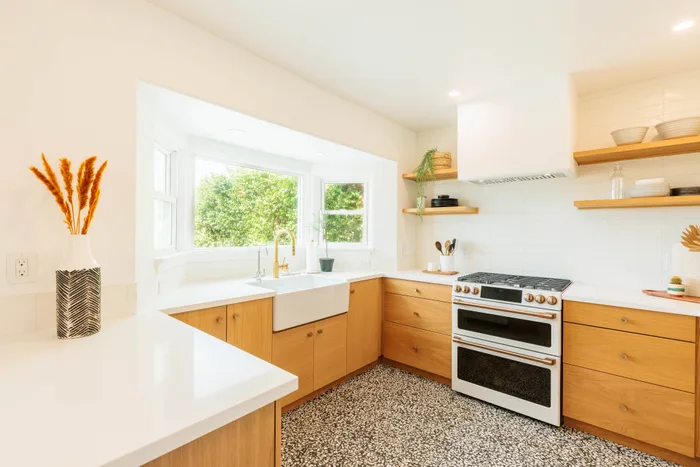
Kitchen and bath remodel
- Property / project type
- Kitchen and two-bath remodel in an older home
- Electrical challenge
- The existing kitchen ran on a fraction of the circuits it needed
- Scope of work
- Dedicated small-appliance and appliance circuits, undercabinet and shelf lighting, GFCI across all wet-area receptacles, vanity lighting, exhaust circuits
- Result
- Whole wet-area load brought up to current code with the remodel
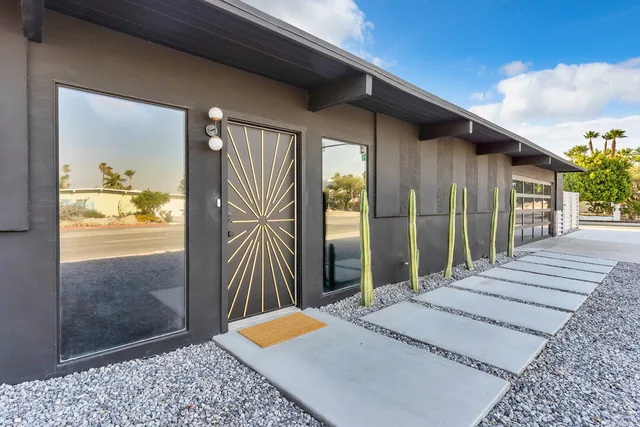
Desert modern renovation
- Property / project type
- Mid-century post-and-beam home with pool terrace
- Electrical challenge
- Desert ambient temperatures drive conductor sizing on every exterior run
- Scope of work
- Rewire and panel upgrade with heat-derated sizing, lighting through post-and-beam ceilings, kitchen circuits, pool and spa circuits with bonding, exterior and terrace lighting
- Result
- Interior, pool equipment and exterior lighting all brought current in one scope
Circuit Questions
What size circuit do I need?+
That comes from the equipment. Voltage, amperage and any required protection are read from the nameplate or documentation, then confirmed against the panel.
Do I need a dedicated circuit, or can it share one?+
Some equipment is required to have its own circuit; other equipment simply performs badly sharing one. Both get assessed before the work is quoted.
Can you add a 240V outlet for a sauna or hot tub?+
Yes. Spa and sauna circuits are common work — installed with the protection, disconnect and wiring methods those locations require.
I am replacing a gas appliance with electric. What is involved?+
Electrically: a new dedicated circuit sized to the new equipment, with panel capacity confirmed first. Gas line and plumbing work is not part of J.I.C.’s scope.
Can a circuit be run to a detached garage or shop?+
Yes, and at that distance a feeder and subpanel is often better than individual long circuits.
What if the panel is full?+
Options include panel space solutions, a subpanel, or a service upgrade if capacity is the real limit. The evaluation decides which.
Need a New 120V or 240V Circuit?
The equipment documentation and a photo of the panel are the two things that make this quick to scope.
- ✓Sized from the equipment, not a rule of thumb
- ✓Panel capacity confirmed first
- ✓Outdoor and wet-location work included